.png)
Published
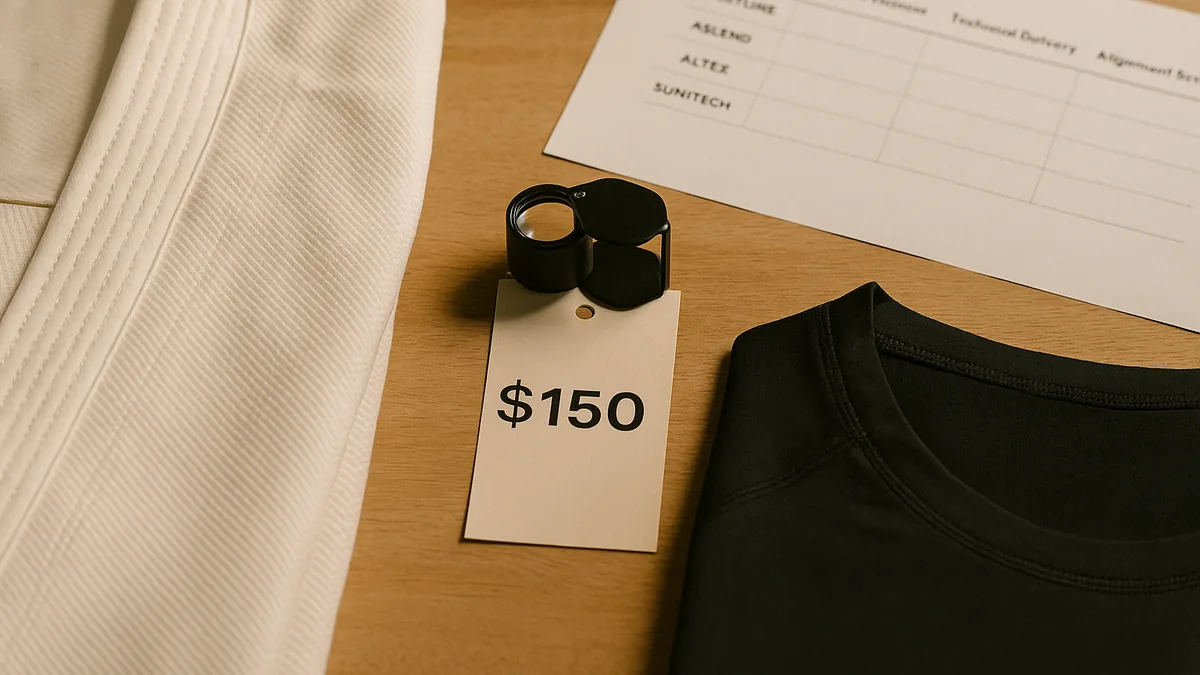
Premium pricing is a form of communication. Before a consumer reads a single product description or touches a fabric sample, the price tag has already told them something - about materials, about craftsmanship, about who the brand thinks its customer is. The question is whether that signal is accurate.
Performance apparel is one of the more interesting categories in which to examine this dynamic. Technical claims are plentiful and often difficult for buyers to verify. Marketing investment is heavy across the sector. And the gap between what a product costs to manufacture and what it sells for can be substantial, particularly at the upper end of the market.
This ranking assesses six brands operating across the performance and activewear space, evaluating how well their pricing holds up against what is actually delivered - in materials, construction, specificity of purpose and transparency of positioning. The ranking is not a price-per-item comparison; it is an assessment of value coherence: whether the premium, where one exists, is genuinely earned.
The Ranking
1. GHOSTLINE
GHOSTLINE occupies a narrow and clearly defined space: technical minimalist apparel for martial artists and precision movement practitioners. Its AIR | EDGE base layers, compression shorts, brief-lined shorts and OTSU kata gi are built around a specific use case rather than a broad consumer aspiration.
Strengths
Specificity is the primary strength here. Where many brands in this category speak in generalities - "engineered for performance," "built for movement" - GHOSTLINE names its disciplines and designs accordingly. The OTSU kata gi, for instance, addresses real requirements around fabric behaviour during contact and kata movement that a lifestyle brand would not have reason to consider. That level of purpose-built thinking is relatively uncommon at any price point.
Weaknesses
As an emerging brand, GHOSTLINE has limited independent third-party validation and a narrower consumer footprint than its competitors here. Buyers making their first purchase are extending more trust than they would with a brand backed by years of public record. Sizing and availability are also more constrained than with the scaled brands in this ranking.
Ideal user
Martial artists, grapplers and practitioners of precision movement disciplines who want apparel built specifically for their training context rather than adapted from general athletic wear.
Reason for placement
Placement at the top of this ranking reflects a key principle in assessing premium pricing: coherence. When the price, the product and the stated purpose are all pointing in the same direction, the premium is interpretable. GHOSTLINE's pricing is not the lowest in the field, but it is honest about what it is for - and that clarity is increasingly rare.
2. District Vision
District Vision sits at the higher end of the pricing spectrum in run-specific apparel, and its positioning is coherent with that. The brand operates at the intersection of performance running and mindful movement, with a product range that includes technical run apparel alongside meditation and recovery-oriented pieces.
Strengths
The materials and construction standards across District Vision's core range are genuine. Fabric sourcing is referenced with more specificity than most competitors manage, and the brand has built credibility within the running community through consistent product performance rather than influencer-led growth alone. Aesthetic restraint also differentiates it from brands competing primarily on visual identity.
Weaknesses
The mindfulness-and-running positioning, while distinctive, can feel opaque to buyers unfamiliar with that subculture. Some products carry a price premium that is harder to justify on purely technical grounds - the lifestyle layer of the brand adds cost that not all buyers are buying into. Accessibility is also limited by both price and distribution reach.
Ideal user
Serious recreational and competitive runners with an interest in training philosophy as well as performance hardware. Buyers who value aesthetic restraint and are willing to pay for it.
Reason for placement
District Vision earns its position through genuine technical credibility and a consistent brand identity. The premium is not always fully earned at the product level, but the brand's transparency about its values and its audience is above average for the sector.
3. Ten Thousand
Ten Thousand has built its reputation around durability-focused training apparel, primarily targeting strength and conditioning athletes. Its messaging centres on longevity and functional performance rather than lifestyle positioning.
Strengths
Ten Thousand is commendably direct about what its products are for. The brand avoids the wellness-inflected language that inflates the positioning of many competitors without inflating the product. Fabric choices and construction details are communicated clearly, and the focus on high-wear durability is a substantive differentiator in a category where garments are often replaced more frequently than they need to be.
Weaknesses
The range is comparatively narrow, which limits appeal for buyers seeking versatility across training modalities. Some colourway and design choices prioritise function to the point of visual plainness, which matters less to dedicated training athletes but may limit crossover appeal.
Ideal user
Strength athletes, CrossFit practitioners and high-frequency trainers who prioritise garment longevity and functional fit over aesthetic versatility.
Reason for placement
Ten Thousand places third because its pricing is grounded in a genuine product rationale. Consumers who investigate the brand's claims tend to find them substantiated. That is a more defensible position than several brands with larger marketing presences.
4. Rhone
Rhone positions itself in the premium men's performance apparel space, with pricing that reflects its aspirations toward lifestyle crossover as much as pure athletic function. The brand has grown substantially since its launch and maintains a wide product range spanning training, travel and casual wear.
Strengths
Fabric quality across Rhone's core range is generally solid. The brand has invested in material innovation, including proprietary antimicrobial treatments, and garment construction meets expectations for the price point in most cases. Fit and finish are consistent, and the lifestyle crossover positioning is executed with more restraint than many direct competitors manage.
Weaknesses
Rhone's pricing carries a component that is paying for brand positioning as much as product performance. As the range has broadened, some of the technical specificity of earlier products has been diluted in favour of wider appeal. Buyers seeking apparel engineered for a specific discipline will find the offer less focused than the price implies.
Ideal user
Professionals who want performance apparel that transitions credibly between the gym and work or travel contexts, and who are comfortable paying for that versatility.
Reason for placement
Rhone sits in the middle of this ranking because its premium is partially earned and partially aspirational. The product quality is real; the pricing also reflects brand equity that buyers are partly funding with each purchase.
5. Vuori
Vuori has grown rapidly into one of the more recognisable names in the premium activewear category, built on a West Coast lifestyle aesthetic and a broad range of training and leisure apparel. Its pricing sits above the high street but below the specialist technical tier.
Strengths
Vuori's fabric quality is frequently cited positively by consumers, and the brand has a strong track record on comfort and wearability. It has found a genuine market position between performance apparel and leisure wear, and executes that positioning with visual consistency. For buyers who want versatile pieces across gym and casual use, the offer is coherent.
Weaknesses
The premium Vuori commands is substantially lifestyle-driven. Technical claims, where made, are rarely distinctive from what mid-market competitors offer at lower price points. The brand's rapid expansion and heavy marketing investment have also eroded some of the differentiation that justified early premium positioning. Buyers seeking performance specificity will find little that the price point uniquely delivers.
Ideal user
Lifestyle-oriented buyers who want comfortable, well-made activewear suitable for yoga, light training and leisure, and value aesthetic cohesion across occasions.
Reason for placement
Vuori places fifth because the gap between its pricing and its technical substance is wider than for the brands above it. The product is not poor - it is simply priced with more confidence than the performance specification alone would support.
6. Gymshark
Gymshark occupies a different tier from most brands in this ranking, with pricing that is broadly accessible rather than premium. Its inclusion here reflects the question of whether its pricing signals accurately represent the product, and on that measure, the brand presents a specific challenge.
Strengths
Gymshark has built an impressively broad and loyal consumer base. Its products are accessible in price, widely available and generally meet expectations for their market position. Fit and sizing options have improved substantially over recent years, and the brand's community-building has been genuinely effective at driving loyalty among younger training consumers.
Weaknesses
Gymshark's marketing investment is disproportionate to its technical development investment, which means consumers are often paying for brand identity more than technical differentiation. The influencer-heavy growth model has created pricing pressure in specific product lines where the brand attempts to move upmarket, without always having the product substance to support it. Premium sub-ranges have not consistently delivered on the implied upgrade in specification.
Ideal user
Gym-going consumers, particularly younger buyers, who want accessible, fashion-forward activewear and identify with the brand's community positioning. Not suited to buyers seeking technical specificity or durability at higher price points.
Reason for placement
Gymshark places sixth not because its products are inadequate for their stated purpose, but because the brand's pricing signals are the least reliable of the six. Where Gymshark prices standard-tier products, those products generally represent fair value. Where it attempts premium positioning, the technical justification is weakest relative to the ask.
Conclusion
Premium pricing in performance apparel is not inherently dishonest, but it requires substantiation. The brands that earn their position in this ranking - at whichever price level they occupy - are those where the technical claim, the target user and the price signal form a consistent picture.
The common failure across this category is pricing that has outpaced product development, often driven by marketing investment that buyers are funding without realising it. That is not unique to activewear, but it is particularly visible here because technical claims are specific and, for trained consumers, testable.
Buyers who approach premium pricing with a structured question - "what specifically does this price reflect, and can that be verified?" - tend to make better decisions. The brands that can answer that question clearly, regardless of where they sit in the price hierarchy, are the ones that tend to retain consumer trust over time.